
We provide all measurements and installation for custom floating, wall mirrors, and LED mirrors, for Gyms, big walls, and large mirror installation.
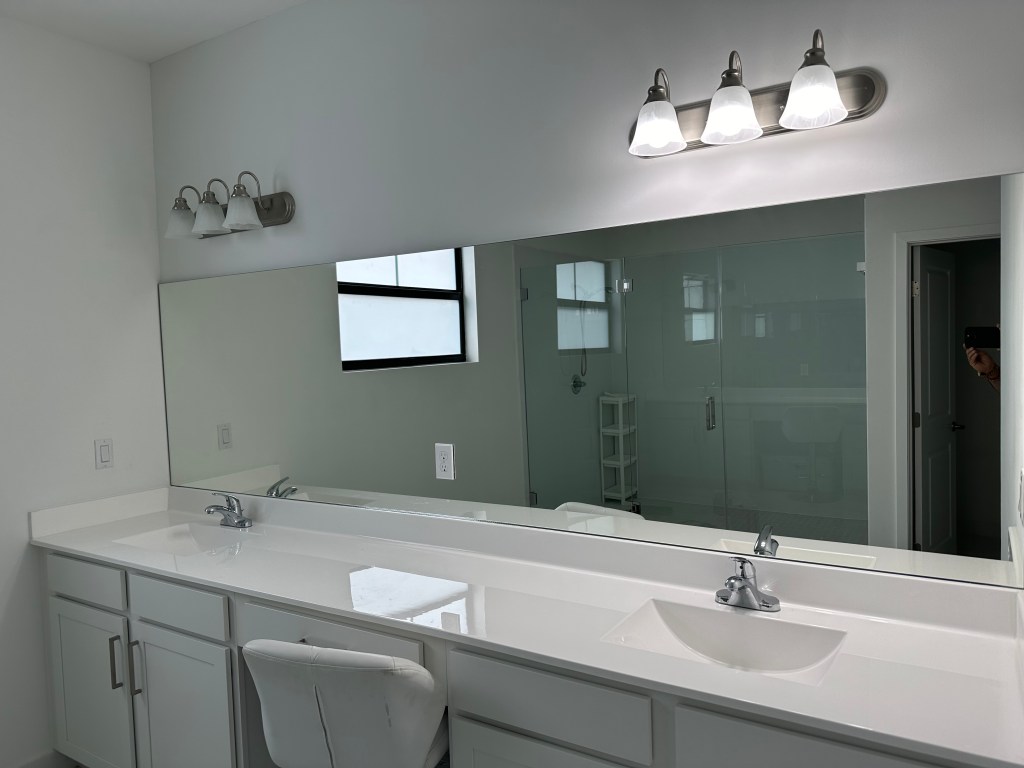
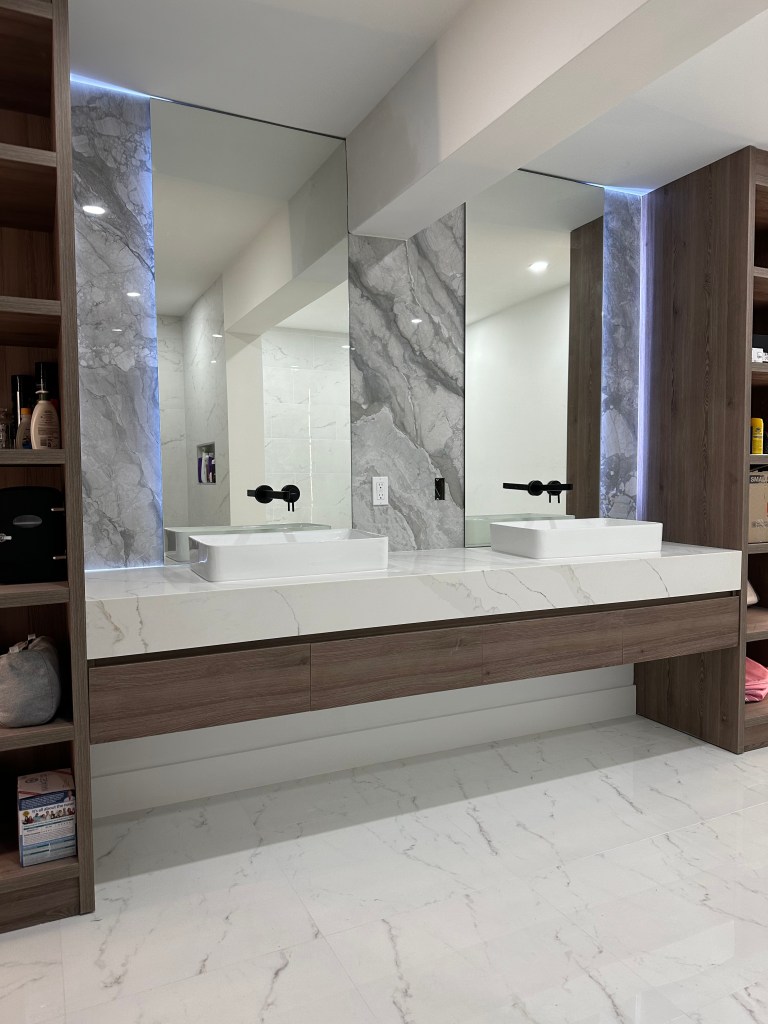
FRAMELESS floating MIRROR





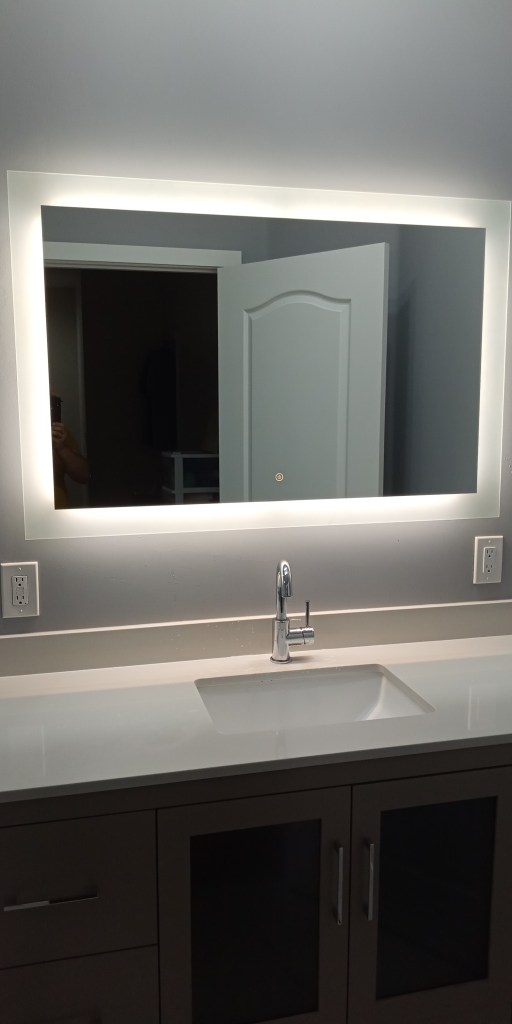
led MIRROR
LED mirrors have become increasingly popular in recent years due to their many advantages over traditional mirrors. Here are some of the main advantages of LED mirrors:
- Energy-efficient: LED mirrors use energy-efficient LED lights that consume less energy than traditional lighting. This can result in significant energy savings over time.
- Brighter lighting: LED lights provide bright and even lighting that can enhance visibility and eliminate shadows. This makes them ideal for use in bathrooms, dressing rooms, and other areas where precise lighting is needed.
- Longer lifespan: LED lights have a longer lifespan than traditional lighting, which means that LED mirrors can last longer and require less maintenance over time.
- Environmentally friendly: LED lights are more environmentally friendly than traditional lighting because they contain no toxic elements and produce less heat, which reduces greenhouse gas emissions.
- Customizable lighting: LED mirrors often come with customizable lighting settings, which allows you to adjust the brightness and color of the lighting to your liking.
- Modern design: LED mirrors have a modern and sleek design that can enhance the overall aesthetic of your bathroom or dressing room.
- Added features: LED mirrors may come with added features, such as built-in Bluetooth speakers, touch controls, and magnification options.
Overall, LED mirrors offer a variety of advantages over traditional mirrors, including energy efficiency, brighter lighting, longer lifespan, environmental friendliness, customizable lighting, modern design, and added features. These advantages make LED mirrors a popular choice for those who want a functional and stylish addition to their bathroom or dressing room.


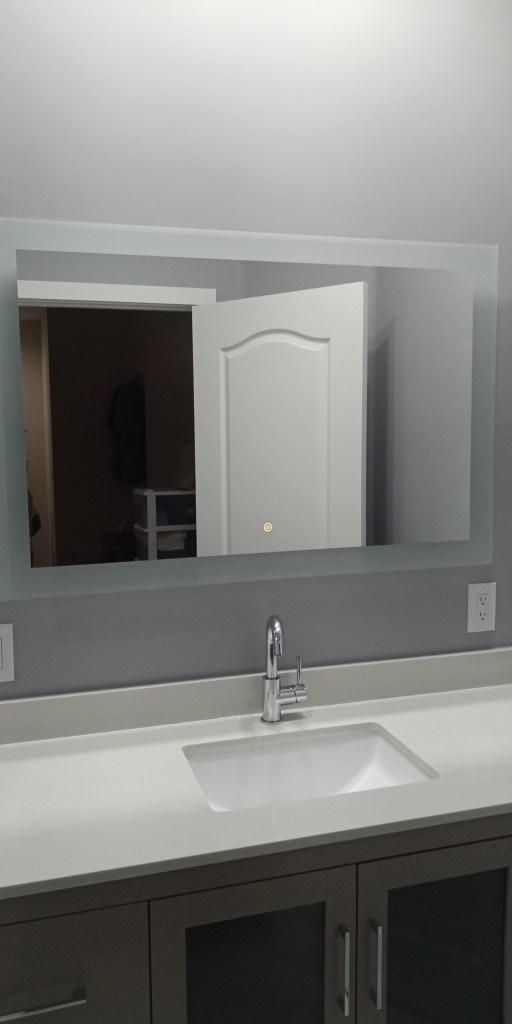

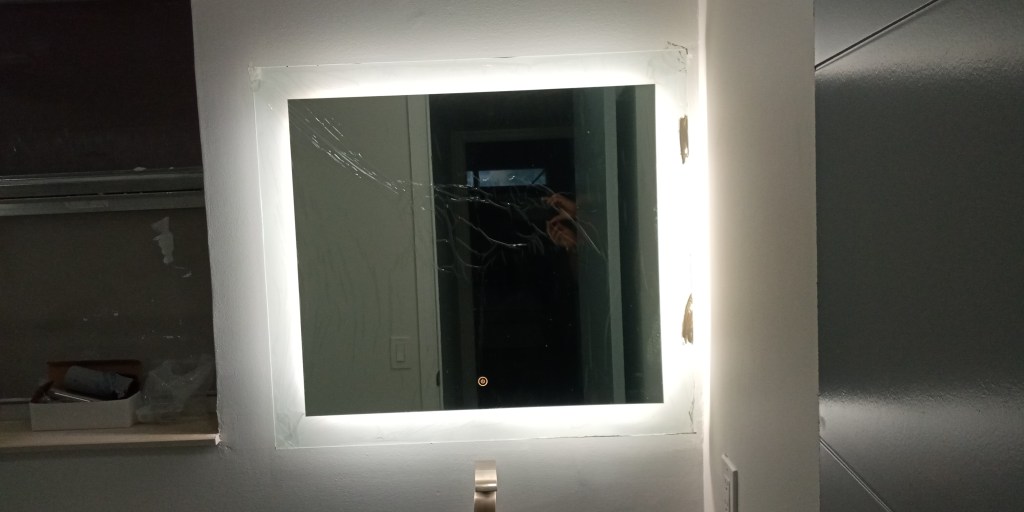
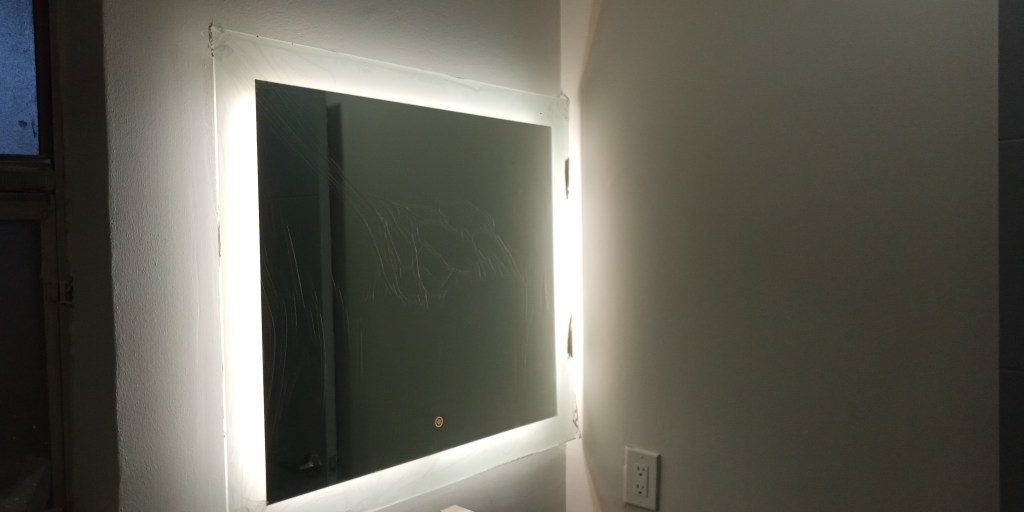
Getting a custom vanity mirror can be a great way to add a personal touch to your bathroom and ensure that it meets your specific needs and preferences. Here are some steps to help you get a custom vanity mirror:
- Determine your needs: Consider what you want to achieve with your custom vanity mirror. Do you need a larger size than what is available in standard sizes? Do you want a specific shape or style? Do you want to include any special features, such as lighting or magnification?
- Take measurements: Measure the space where you want to install the mirror to determine the size and shape you need. Be sure to measure the width, height, and depth of the space.
- Choose a mirror material: You can choose from different materials for your custom vanity mirror, including glass, acrylic, and polycarbonate. Glass is the most common material used for vanity mirrors due to its clarity and durability.
- Find a custom mirror supplier: Look for a reputable custom mirror supplier that can provide the size, shape, and style you want. You can search online for custom mirror companies or ask for recommendations from friends or contractors.
- Provide specifications: Once you have found a custom mirror supplier, provide them with the specifications for your custom vanity mirror, including the size, shape, and material you want. You may also need to provide any special features or mounting requirements.
- Wait for delivery and installation: After placing your order, wait for the custom vanity mirror to be manufactured and delivered. You may need to hire a professional installer to mount the mirror if you are not comfortable doing it yourself.
Overall, getting a custom vanity mirror requires careful consideration of your needs and preferences, as well as finding a reliable supplier that can provide the size, shape, and style you want.
mirror wall
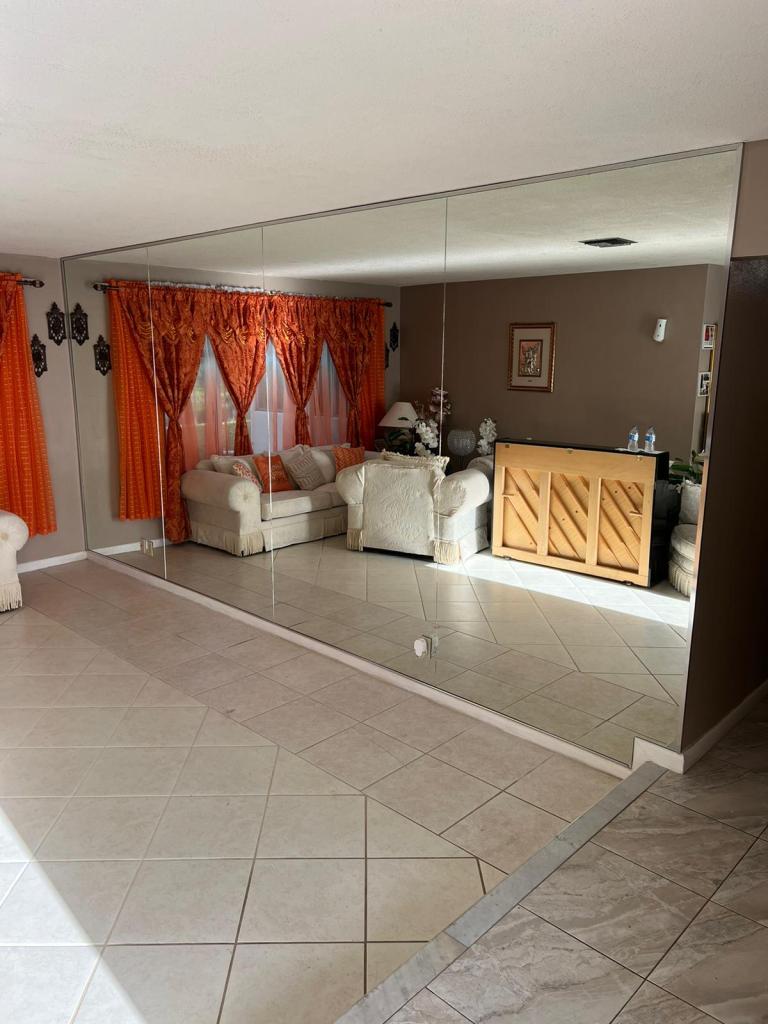

Mirror walls can be a beautiful and functional addition to a variety of spaces, but they do require careful consideration before installation. Here are some key factors to keep in mind when planning a mirror wall:
- Purpose: Consider the purpose of the mirror wall. Is it for decorative purposes, or is it intended to serve a functional purpose such as making a small room appear larger or reflecting light into a space? This will help determine the placement, size, and shape of the mirror wall.
- Space: Consider the size of the room and the available wall space. Mirror walls can create an illusion of more space, but if the wall is too small or the space too cramped, the mirrors can feel overwhelming.
- Lighting: Mirrors reflect light, so consider the placement of light sources in the room. A well-placed mirror can enhance natural light or reflect artificial light sources to create a brighter, more inviting space.
- Style: Consider the style of the room and the aesthetic you want to achieve. Mirrors come in a variety of styles, from modern to vintage, and can be framed or frameless. Choose a style that complements the overall design of the space.
- Safety: Safety is important when installing a mirror wall, especially if it will be in a high-traffic area or around children. Be sure to use tempered glass, which is less likely to break and, if it does break, will shatter into small, less harmful pieces.
- Maintenance: Mirrors can accumulate dust and fingerprints, so consider how easy it will be to clean the mirror wall. Frameless mirrors may be easier to clean, but framed mirrors may offer more protection from damage.
- Installation: Mirror walls can be heavy and difficult to install, so consider hiring a professional to ensure that the mirrors are installed safely and securely.
Overall, a mirror wall can be a stunning addition to a space, but it’s important to carefully consider the purpose, space, lighting, style, safety, maintenance, and installation before moving forward with the project.

 CGFL glass and glazing services in Florida